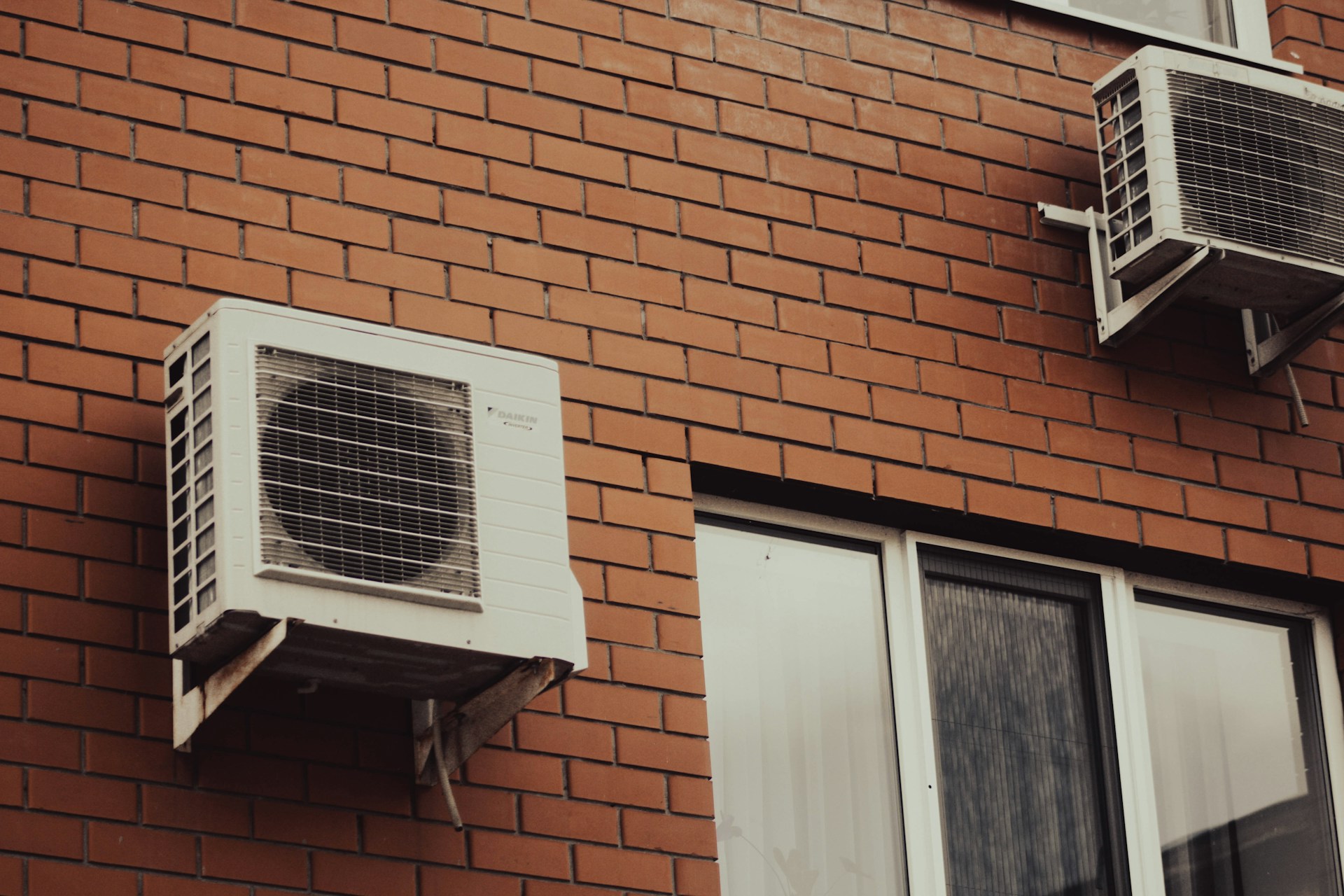
Heat pumps have revolutionized home heating, offering remarkable efficiency by moving heat rather than generating it. Marketing materials love to highlight impressive efficiency numbers, but those figures often come with an asterisk. When temperatures drop below 32°F, heat pump performance changes significantly. Understanding this reality helps you make informed decisions about your heating system.
How Heat Pumps Work (And Why Cold Matters)
A heat pump extracts heat from outdoor air and transfers it inside. Even cold air contains heat energy that can be captured and concentrated. However, as outdoor temperatures fall, two things happen: there’s less heat available to extract, and the system must work harder to capture it.
This isn’t a design flaw—it’s physics. The temperature difference between the outdoor air and the refrigerant determines how efficiently heat transfers. Larger temperature gaps require more energy to bridge.
Understanding COP: The Real Efficiency Metric
Coefficient of Performance (COP) measures how many units of heat a system delivers for each unit of electricity consumed. A COP of 3.0 means you get 3 kWh of heat for every 1 kWh of electricity used—effectively 300% efficiency.
Here’s what manufacturers often don’t emphasize: COP varies dramatically with outdoor temperature.
Typical COP at Different Temperatures
Standard air-source heat pumps show this general pattern:
- 50°F (10°C): COP 3.5-4.0
- 40°F (4°C): COP 3.0-3.5
- 32°F (0°C): COP 2.5-3.0
- 20°F (-7°C): COP 2.0-2.5
- 5°F (-15°C): COP 1.5-2.0
- -5°F (-21°C): COP 1.2-1.5
These numbers represent averages across conventional systems. Your specific unit, installation quality, and home characteristics will affect actual performance.
The key insight: even at reduced efficiency, a heat pump with COP 1.5 still outperforms electric resistance heating (COP 1.0). But it may not beat a high-efficiency gas furnace on cost, depending on your local fuel prices.
The Cold Climate Heat Pump Revolution
Traditional heat pump limitations led manufacturers to develop cold climate heat pumps (ccHPs), engineered specifically for sub-freezing performance. These systems use advanced compressor technology, enhanced vapor injection, and optimized refrigerants to maintain usable efficiency at extreme temperatures.
What Makes Cold Climate Units Different
Cold climate heat pumps incorporate several key innovations:
Variable-speed compressors adjust output to match heating demands, operating more efficiently at partial loads and maintaining capacity in extreme cold.
Vapor injection technology (often called Enhanced Vapor Injection or EVI) injects refrigerant vapor directly into the compressor, boosting heating capacity at low temperatures.
Low-temperature optimized refrigerants maintain better thermodynamic properties when outdoor conditions are harsh.
Larger heat exchangers improve heat transfer efficiency when temperature differentials are extreme.
Real Performance Data from Cold Climate Units
The Northeast Energy Efficiency Partnerships (NEEP) maintains a database of independently tested cold climate heat pumps. Top-performing units demonstrate:
- COP 2.5 or higher at 5°F (-15°C)
- Rated heating capacity at 5°F that’s 70-100% of capacity at 47°F
- Continued operation down to -15°F (-26°C) or lower
These improvements represent a significant leap from conventional systems, making heat pumps viable primary heating in climates previously considered unsuitable.
Model Your Heating Costs
See how cold climate performance affects your annual costs.
Compare Heating SystemsWhen Auxiliary Heat Kicks In
Most heat pump systems include backup heating—typically electric resistance coils—that activates when the heat pump can’t meet demand. Understanding when this happens is crucial because auxiliary heat operates at COP 1.0, eliminating the efficiency advantage.
Balance Point Temperature
The balance point is the outdoor temperature at which your heat pump’s output exactly matches your home’s heating needs. Below this temperature, auxiliary heat supplements the difference.
For conventional heat pumps, balance points typically fall between 30-40°F. Cold climate units push this down to 10-20°F or lower, depending on the system and your home’s heating load.
Why This Matters for Your Bills
Auxiliary heat usage can dramatically affect operating costs. A home that rarely needs backup heat will see much lower bills than one that relies on electric resistance for 20% of its heating hours.
Factors affecting auxiliary heat usage:
- Climate severity: More hours below balance point means more auxiliary heat
- Heat pump capacity: Properly sized (or slightly oversized) units reduce backup needs
- Home insulation: Well-insulated homes have lower heating loads
- System design: Cold climate heat pumps maintain capacity longer
Defrost Cycles: The Hidden Efficiency Drain
When outdoor temperatures hover near freezing with high humidity, frost accumulates on the outdoor unit’s heat exchanger. The system must periodically reverse operation to melt this frost, temporarily heating the outdoor coil instead of your home.
During defrost cycles, which can last 2-10 minutes, the system either stops heating or uses auxiliary heat to maintain indoor comfort. Frequent defrost cycles reduce overall efficiency and can make the system feel less responsive.
Modern heat pumps use intelligent defrost algorithms that minimize unnecessary cycles, but this remains a factor in climates with temperatures frequently between 25-40°F and high humidity.
Practical Implications for Homeowners
Sizing Considerations
In cold climates, proper sizing becomes even more critical. An undersized heat pump will rely heavily on auxiliary heat, negating efficiency benefits. Many installers now recommend sizing to meet heating load at the 99% design temperature, rather than traditional rules of thumb.
Supplemental Heating Strategy
In extreme climates, combining a cold climate heat pump with a gas furnace (a dual-fuel system) can optimize both comfort and cost. The heat pump operates when efficient, and the furnace takes over when electricity costs exceed gas.
Return on Investment
Despite efficiency reductions in cold weather, heat pumps often remain cost-effective in cold climates—particularly where electricity is affordable or where they’re replacing oil, propane, or electric resistance heat. The key is running realistic calculations based on local climate data and utility rates.
The Bottom Line
Heat pump efficiency does decline in cold weather, and marketing materials don’t always tell this story clearly. However, this doesn’t mean heat pumps are wrong for cold climates. Modern cold climate units maintain useful efficiency well below freezing, and even reduced efficiency often beats the alternatives.
The important step is understanding your specific situation: local temperatures, utility costs, existing heating system, and home characteristics. With accurate data, you can determine whether a heat pump makes sense and estimate realistic operating costs.
Cold climate heat pump technology continues improving, with each generation pushing performance boundaries further. Systems that seemed impractical for northern climates a decade ago are now standard equipment. For many homeowners, even in challenging climates, heat pumps represent both the most efficient and most economical heating solution available.